

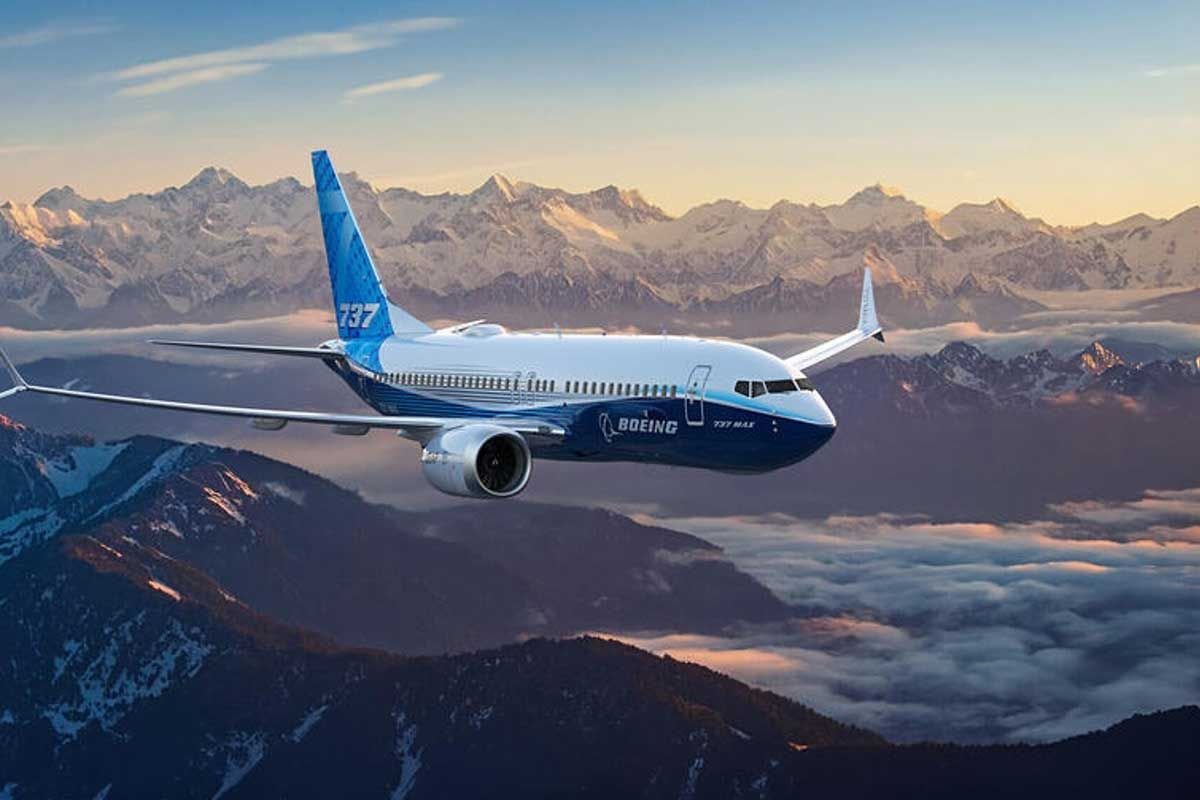
The Boeing 737 Max has become one of the most closely examined commercial aircraft programs in modern aviation. It was designed as an updated generation of the long-running 737 family, combining newer engines, aerodynamic refinements, updated systems, and improved fuel efficiency while retaining a familiar narrow-body format for airlines.
Its story, however, extends far beyond aircraft specifications. Two fatal crashes in 2018 and 2019, the worldwide grounding that followed, an extensive redesign of flight-control systems, and years of regulatory scrutiny changed how airlines, pilots, regulators, and passengers view the aircraft. Understanding the 737 Max therefore requires looking at both its engineering ambitions and the lessons learned from its failures.
Meta description: Explore the Boeing 737 Max story, including its design, safety changes, variants, performance, grounding, return to service, and future in aviation.
What the Boeing 737 Max Was Designed to Achieve
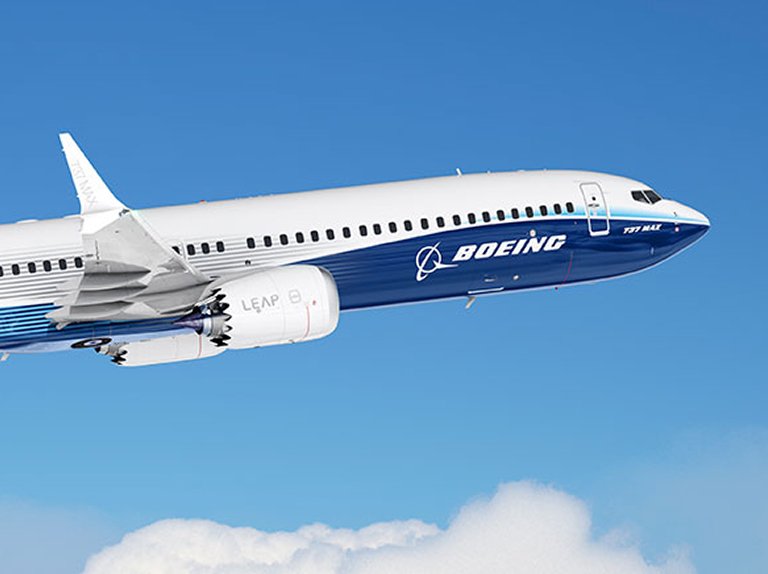
The Boeing 737 Max was developed to keep the 737 competitive in a market increasingly shaped by fuel efficiency, operating economics, and demand for single-aisle aircraft with longer range. Its most visible technical change was the adoption of CFM LEAP-1B engines. Because the engines needed to fit within the existing 737 configuration, Boeing made changes to their placement and mounting, contributing to aerodynamic differences that affected the aircraft’s handling characteristics.
The program was also intended to reduce the need for airlines to retrain pilots extensively when moving from earlier 737 generations. That goal reflected a major commercial advantage: airlines could introduce a newer aircraft while maintaining commonality with existing fleets, procedures, maintenance practices, and pilot qualifications. In normal service, commonality can lower costs and simplify fleet management, which helps explain the strong early demand for the aircraft.
The Main Variants and Their Roles
The 737 Max family is not a single aircraft configuration. It includes several variants aimed at different passenger capacities and route requirements. The Max 8 became the best-known version, while the Max 9 and Max 10 were developed for higher capacity. The smaller Max 7 targets airlines seeking lower capacity with strong range and efficiency.
The Boeing 737 Max family shares a common design philosophy, but airlines can configure cabins very differently. Seat pitch, galleys, lavatories, premium cabins, and exit arrangements all affect the passenger experience. This is why two aircraft of the same variant can feel noticeably different inside. Range and payload also depend on configuration, weather, routing, and operational conditions rather than a single fixed number.
| Variant | General role | Typical seating range* | Key characteristic |
|---|---|---|---|
| 737 Max 7 | Smaller narrow-body | Around 140–170 | Range-focused option |
| 737 Max 8 | Core family member | Around 160–180+ | Broad airline appeal |
| 737 Max 9 | Higher-capacity model | Around 180–200+ | Longer fuselage |
| 737 Max 10 | Largest Max variant | Around 180–210+ | Maximum capacity in the family |
*Actual seating varies by airline cabin layout and configuration.
Why the 737 Max Became Controversial
The most serious chapter in the aircraft’s history involved Lion Air Flight 610 in October 2018 and Ethiopian Airlines Flight 302 in March 2019. Both aircraft crashed shortly after takeoff, killing everyone aboard. Investigations identified similarities involving erroneous angle-of-attack information and the aircraft’s flight-control behavior. The accidents led authorities around the world to ground the fleet.
A central focus was the Maneuvering Characteristics Augmentation System, commonly known as MCAS. The system had been introduced to address handling characteristics associated with the aircraft’s aerodynamic configuration. Investigations and subsequent reviews found that the system’s design, sensor dependence, pilot awareness, documentation, and certification process all required much greater scrutiny than they had received before the accidents.
The issue was not simply one software feature in isolation. Aviation accidents are rarely explained by one component alone. They can involve interactions among engineering decisions, system architecture, training, maintenance, certification, operational procedures, and human factors. The 737 Max investigations therefore became a much broader examination of how a modern airliner is designed and approved.
What Changed After the Grounding
Following the grounding, Boeing redesigned important aspects of the flight-control system. MCAS was modified so that it could no longer repeatedly command nose-down movement based on a single faulty angle-of-attack sensor in the same manner involved in the accidents. The system also received changes intended to improve redundancy, pilot awareness, and overall aircraft behavior.
The aircraft’s return to service was not based on a single global approval. Regulators conducted their own evaluations, with the U.S. Federal Aviation Administration playing a central role in the U.S. certification process and authorities in other countries reviewing the aircraft for their markets. Pilots also received revised training, and airlines implemented updated procedures and maintenance requirements.
One important lesson from the process was that certification is not merely a paperwork exercise. It is a system of technical analysis, testing, assumptions, operational evaluation, and independent oversight. The 737 Max experience prompted regulators and industry participants to reconsider how much authority manufacturers should have in certifying complex systems and how effectively assumptions are communicated to pilots.
How the Flight Control System Works
Modern airliners use computers to interpret sensor information and assist pilots with stability, efficiency, and flight-path management. The 737 Max is no exception. Its flight-control architecture combines pilot commands with information from sensors and aircraft systems to help manage the airplane across different phases of flight.
The key concern surrounding MCAS was the relationship between sensor data and automatic flight-control commands. An angle-of-attack sensor measures the angle between the aircraft’s reference line and the airflow approaching the airplane. If that information is incorrect, a system relying heavily on the signal can respond inappropriately. After the crashes, changes were made to increase redundancy and make the system’s behavior more predictable and manageable for flight crews.
The broader engineering lesson is straightforward: automated systems need robust inputs, clear failure modes, appropriate redundancy, and effective human-machine interaction. A sophisticated computer cannot compensate for poor assumptions about sensor reliability or insufficient communication about how the system behaves during unusual conditions.
Safety Changes and Regulatory Oversight
The return of the aircraft required extensive testing, analysis, documentation, pilot training, and regulatory review. Authorities examined software updates, system behavior, emergency procedures, maintenance requirements, and human factors. Airlines also had to incorporate the revised aircraft into their operational systems before carrying passengers again.
The post-grounding process demonstrated the importance of layered safety. No commercial aircraft relies on one safeguard. Safety comes from multiple barriers working together: redundant systems, trained crews, maintenance inspections, engineering standards, operational procedures, air traffic management, and regulatory oversight. When one layer fails, the others should help prevent an accident from becoming catastrophic.
Passenger Experience on the 737 Max
For passengers, the 737 Max generally looks and feels like a modern 737-family aircraft rather than a completely new airplane. Depending on the airline, the cabin can feature redesigned lighting, larger overhead bins, updated seats, modernized interiors, and newer entertainment or connectivity systems. The exact experience is heavily influenced by the carrier’s choices.
Cabin noise can also vary depending on seat location and airline configuration. The newer engines and cabin improvements are part of the aircraft’s effort to provide better operating efficiency and a contemporary passenger environment. Still, travelers should judge the cabin based on the airline and specific aircraft configuration rather than assuming every aircraft offers the same experience.
Fuel Efficiency and Airline Economics
One of the strongest reasons airlines ordered the aircraft was economics. New-generation engines and aerodynamic improvements were designed to reduce fuel consumption compared with older 737 models. For airlines operating hundreds or thousands of flights each week, even modest efficiency improvements can have a significant effect on operating costs.
Efficiency also matters beyond fuel. Aircraft commonality can reduce training complexity, simplify maintenance planning, and allow airlines to use existing airport infrastructure. The combination of these factors helps explain why the aircraft remains commercially important despite its troubled history. Airlines make fleet decisions based on total operating economics, not just the purchase price or a single performance figure.
Boeing 737 Max Versus Older 737 Models
Compared with older 737 generations, the Max incorporates newer engines, aerodynamic refinements, updated systems, and changes to the passenger cabin. Its purpose was not to replace the 737 with an entirely new architecture but to evolve an established aircraft family while preserving as much commonality as possible.
That approach has advantages and limitations. Commonality can help airlines transition between aircraft generations, but adapting a long-established design to newer technologies can create engineering challenges. The Max program illustrated how difficult it can be to balance performance improvements, certification requirements, pilot training, manufacturing realities, and compatibility with an existing aircraft platform.
Production, Deliveries, and Manufacturing Scrutiny
The aircraft’s history also became closely connected to manufacturing quality and production oversight. After the crashes, investigations expanded beyond flight-control software and examined organizational processes, communication, quality assurance, and regulatory relationships. Later production incidents further increased scrutiny of how aircraft are assembled and inspected before delivery.
For an aircraft manufacturer, safety does not end when a design receives certification. Every production aircraft must conform to its approved design, and every component must meet the required specifications. Manufacturing discipline, supplier quality, inspection, documentation, and final testing are therefore essential parts of airworthiness.
The Alaska Airlines Door Plug Incident
In January 2024, an Alaska Airlines 737-9 experienced a major in-flight incident when a mid-exit door plug separated from the aircraft. The event did not result in fatalities, but it triggered another major wave of scrutiny. The U.S. FAA responded with additional oversight, including restrictions affecting production expansion until quality-control concerns were addressed.
The incident was particularly significant because it highlighted a different part of aviation safety: manufacturing and assembly quality. The aircraft had already been part of an extensively reviewed family, yet a production-related issue demonstrated that certification of the design does not eliminate the need for rigorous inspection of individual aircraft. It reinforced the principle that safety must be maintained throughout the entire lifecycle.
What Airlines Consider Before Operating the Aircraft
Airlines evaluate aircraft on far more than passenger capacity. They consider fuel burn, maintenance costs, range, airport compatibility, pilot availability, training requirements, spare-parts support, financing, reliability, and expected demand. Fleet commonality can be especially valuable for carriers that already operate earlier 737 generations.
Passenger perception is another practical factor. Some travelers actively seek or avoid particular aircraft types, especially after major accidents. Airlines must therefore manage not only technical and financial considerations but also customer confidence. Clear communication, transparent safety practices, and reliable operations are important in rebuilding trust.
The Importance of Pilot Training
Pilot training became one of the most important subjects in the aftermath of the crashes. Crews need to understand not only normal aircraft behavior but also how automated systems respond to abnormal sensor information. Effective training should explain the relationship between aircraft automation, manual control, warning systems, and established emergency procedures.
Modern aviation increasingly depends on pilots supervising highly automated systems. That creates a delicate balance. Automation can reduce workload and improve precision, but crews must remain capable of recognizing unexpected behavior and taking appropriate action. The Max experience became a powerful example of why automation training must be practical, transparent, and grounded in realistic failure scenarios.
A Broader Lesson for Modern Aviation
The 737 Max story has become a case study in aviation safety because it connects technology with organizational decision-making. Engineers can build sophisticated systems, but safe aviation also depends on how those systems are explained, tested, certified, maintained, and used by people.
As aircraft become more automated, the industry faces an ongoing challenge: technology should make flying safer without creating hidden complexity that crews cannot easily understand. The best systems are not simply advanced; they are predictable, redundant, testable, and designed around the people who operate them.
Aviation has an unusually strong culture of learning from accidents. As one widely repeated safety principle puts it, “Safety is no accident.” The phrase is simple, but its meaning is relevant here: safe commercial flight depends on deliberate engineering, disciplined operations, and continuous improvement rather than luck.
The Future of the 737 Max Family
The family continues to play a major role in the global narrow-body market. Airlines value the combination of capacity, range, fuel efficiency, and fleet commonality, while Boeing continues to face pressure to demonstrate consistent manufacturing quality and strong safety management.
The future of the program will depend on more than aircraft orders. Long-term confidence will be shaped by operational reliability, production quality, regulatory relationships, maintenance performance, and the industry’s ability to learn from every incident. In commercial aviation, reputation is built slowly and can be damaged quickly.
Why the Aircraft Still Matters
The Boeing 737 Max remains important because it represents a major transition point in commercial aviation. It combines an established airframe family with modern engines, advanced avionics, and increasingly sophisticated automation. At the same time, its history demonstrates that incremental aircraft development can involve complex engineering trade-offs.
For travelers, the most useful perspective is to understand that aircraft safety is governed by extensive systems of regulation, maintenance, training, inspection, and operational control. An aircraft’s history deserves serious attention, but so does the corrective work performed after an accident or incident. Evaluating the Max fairly requires considering both its failures and the substantial changes made afterward.
Frequently Asked Questions
Is the Boeing 737 Max safe to fly?
The Boeing 737 Max returned to passenger service only after regulatory authorities required design changes, testing, revised procedures, and pilot training. Safety is continuously monitored after an aircraft enters service, and airlines remain responsible for maintenance and operational compliance. No commercial aircraft can be described as risk-free, but modern airline operations rely on multiple layers of safety oversight.
What caused the 737 Max crashes?
The two fatal crashes involved complex combinations of technical, human, organizational, and regulatory factors. Investigations focused heavily on erroneous angle-of-attack sensor information and the behavior of MCAS, while also examining pilot training, system design, certification assumptions, maintenance, and communication. Treating either crash as the result of one isolated mistake would overlook important findings from the investigations.
What is MCAS on the Boeing 737 Max?
MCAS stands for Maneuvering Characteristics Augmentation System. It was designed to adjust aircraft handling characteristics under specific flight conditions. Following the crashes, Boeing redesigned important aspects of the system, including how sensor information is used and how the system can command flight-control movement. The changes were reviewed as part of the aircraft’s return-to-service process.
Which airlines fly the Boeing 737 Max?
Many major airlines around the world operate 737 Max aircraft, including carriers in North America, Europe, Asia, Latin America, and the Middle East. The exact fleet mix changes as airlines receive new aircraft, retire older planes, or adjust their networks. Travelers should check the aircraft type shown for their individual flight because equipment can sometimes change before departure.
Is the 737 Max more fuel-efficient than older 737 models?
The Max was designed to deliver substantially improved fuel efficiency compared with earlier-generation 737 aircraft. Newer engines, aerodynamic refinements, and other improvements contribute to lower fuel consumption. Actual performance varies with aircraft configuration, payload, route length, weather, and operating practices, so published figures should be treated as performance estimates rather than guarantees.
What happened to the Boeing 737 Max after the 2019 grounding?
After the worldwide grounding, Boeing implemented technical changes and regulators conducted additional evaluations before approving the aircraft to return to service. Airlines also completed required training and operational preparations. The aircraft subsequently returned to commercial operations, although its safety and manufacturing processes have continued to receive close regulatory and industry attention.
Conclusion
The Boeing 737 Max is more than a story about a new generation of a famous commercial aircraft. It is a story about engineering ambition, serious failures, regulatory scrutiny, organizational responsibility, and the ability of aviation to learn from painful experience. Its development was driven by efficiency and airline demand, but its history ultimately forced the industry to examine how technology, humans, certification, and manufacturing interact.
Today, the aircraft remains an important part of the global narrow-body fleet. Its future will depend on maintaining high standards in design, production, training, maintenance, and oversight. For passengers and aviation enthusiasts, the most balanced view is neither automatic trust nor automatic fear. The more useful approach is to understand what happened, what changed, and how those lessons continue to influence commercial aviation.
Read more What thehometrotters homerepairs Is Really About